Big rig rollover accidents happen because a loaded trailer's center of gravity sits around six feet up, against roughly two feet for a car. The usual trigger is speed in a curve or ramp, often made worse by unbalanced cargo or liquid surge. Liability typically lands on the driver, the carrier, and whoever loaded the trailer.
Picture a cloverleaf off-ramp, the tight loop that swings you from one interstate onto another. The sign says 35. A pickup takes it at 45 and never feels a thing. Now put a tanker half full of fuel on that loop at 45. The liquid sloshes toward the outside of the curve, and the trailer starts to lean before the tractor does. By the time the driver feels it in the seat, the trailer's inside wheels are already off the pavement.
That's how most big rig rollovers look from the cab: not a swerve, just a lean that won't stop. From the car in the next lane, it looks like a wall tipping toward you. FMCSA research has consistently ranked rollovers among the most common and most violent large-truck crashes. A rolling 40-ton trailer can crush vehicles beside it, dump heavy or hazardous cargo across every lane, and it frequently kills the truck driver too.
What causes a big rig to roll over?
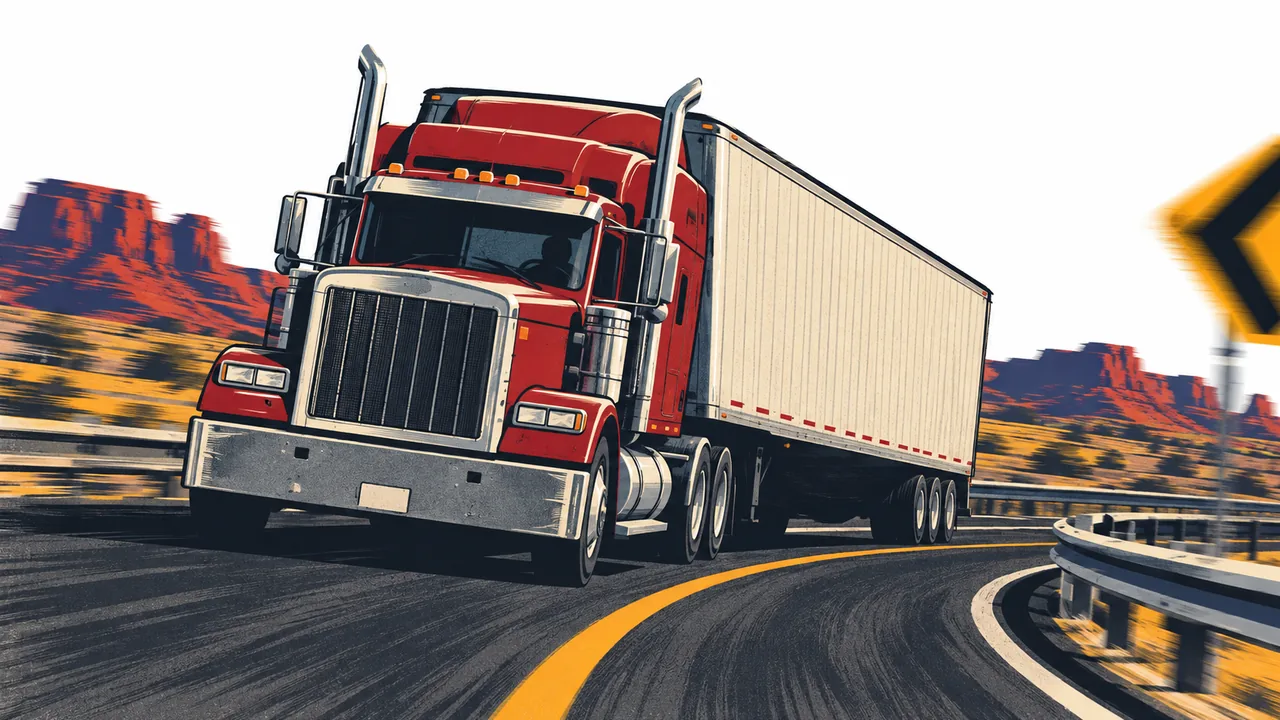
- Too much speed on curves and ramps. Most rollovers happen on curved roads or exit ramps, where the driver misjudges what's safe for a loaded trailer's center of gravity. Posted advisory speeds are set with cars in mind.
- Top-heavy or badly loaded freight. Liquid tankers are prone to "load surge," where the cargo moves suddenly under braking or turning. Stacked pallets, machinery chained off center, or a reefer loaded heavy on one side all do the same thing more slowly. See cargo shift accidents for how unsecured freight raises the risk on any trailer.
- Overcorrection. The right-side tires drop off the shoulder, the driver yanks the wheel back, and the trailer trips over its own tires. It's often the tail end of fatigue-related lane drift.
- Evasive moves. A hard swerve at highway speed to miss a car cutting in or something in the road.
- Tire or suspension failure. A steer or trailer tire letting go can start a roll. See tire blowouts.
Who can be held liable?
- The driver, for too much speed for conditions or not slowing for posted curve advisories
- The trucking company, for weak training on load dynamics or pushing a driver to keep pace despite conditions
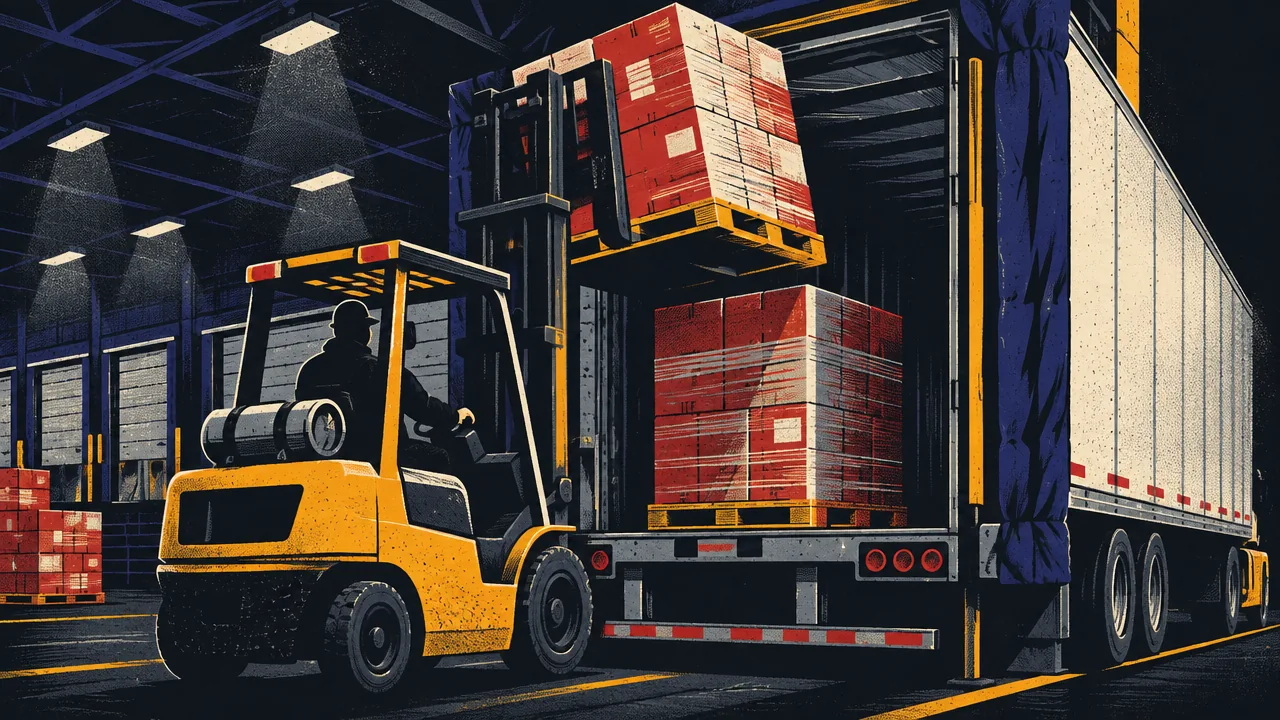
- The cargo shipper or loader, for improper loading, especially with liquid or bulk tankers
- A maintenance contractor or manufacturer, for defective tires, suspension, or stability control systems
The evidence that decides a rollover case
Rollover claims usually come down to one question: was the truck going too fast for what it was hauling? The event data recorder answers part of that. It logs speed and steering input in the seconds before the crash, and a big rig truck accident lawyer moves fast to preserve it before the tractor is repaired or sold for salvage.
The other half is the paperwork on the load. The manifest, the bill of lading, and any scale tickets show how heavy the trailer was and how that weight was spread out. A tanker that left the rack two-thirds full tells a different story than one that was topped off. See how this evidence gets used on our FMCSA regulations & evidence page, and what a claim may cover on our compensation page.
If you were in the truck vs. in the car
If you were driving the rig, expect the carrier and its insurer to start from "driver error." Write down everything you remember about the load while it's fresh: who loaded it, whether the trailer was sealed, whether you saw it, how full the tanker was, and anything dispatch told you about the schedule. Keep your own copies of the bills and your logs. The loader or shipper may be the one who put you over.
If you were in a car the trailer landed on or near, get photos of where the truck came to rest, the tire marks on the ramp, and the name on the tractor door and trailer if you can. Rollover injuries, especially to the spine, don't always show the full picture on day one, so get checked even if you walked away.
Related causes
Sources
- 49 CFR Part 393 Subpart I — Protection against shifting and falling cargo — Electronic Code of Federal Regulations
- 49 CFR § 392.14 — Hazardous conditions; extreme caution — Electronic Code of Federal Regulations
- 49 CFR Part 396 — Inspection, repair, and maintenance — Electronic Code of Federal Regulations
- Large Truck and Bus Crash Facts — Federal Motor Carrier Safety Administration
- Large Trucks — fatality facts and crash research — Insurance Institute for Highway Safety (IIHS)
- Safety Measurement System — carrier safety records by BASIC — FMCSA Safety Measurement System
Federal regulations and crash statistics are updated periodically. Figures cited on this page reflect the referenced publications at the time of writing; check the source for the current edition.