After a big rig accident, call 911, let medics check you even if you feel fine, and photograph the scene, including the truck's USDOT number. Get witness details. Don't admit fault, don't give the trucking company's insurer a recorded statement, and call a lawyer quickly, because the truck's data can be overwritten within weeks.
Your phone is probably the most useful thing you have right after a wreck with a semi. Knowing what to do after a truck accident starts with what you capture in those first minutes and what you don't say. The hours and days after the crash affect both your health and your legal claim.
Trucking companies and their insurers often have rapid-response investigators working the scene the same day. This guide is meant to even things out, whether you were in a car or behind the wheel of a rig yourself.
At the scene (if you are physically able)

- Call 911. Get medical help for anyone hurt and make sure police come out. The crash report matters.
- Let them check you out. Adrenaline hides injuries, and brain and internal injuries often show up hours later.
- Photograph everything you safely can: every vehicle and where it ended up, the DOT and MC numbers on the cab door, the plates on the tractor and the trailer, skid marks, debris, road conditions and your visible injuries.
- Get the driver's information: license, insurance and employer name. Write down the trucking company name on the cab.
- Get witness names and phone numbers. Independent witnesses are worth a lot, and they leave fast.
- Say only what you have to. Don't apologize or guess about fault. Those words come back later.
If you were the one driving the truck, add a few things. Save your dash cam footage before it loops over, snap a photo of your ELD screen, and keep copies of your bill of lading and any paperwork for the load. Those help show where you were, how long you'd been driving and what you were hauling.
In the first week
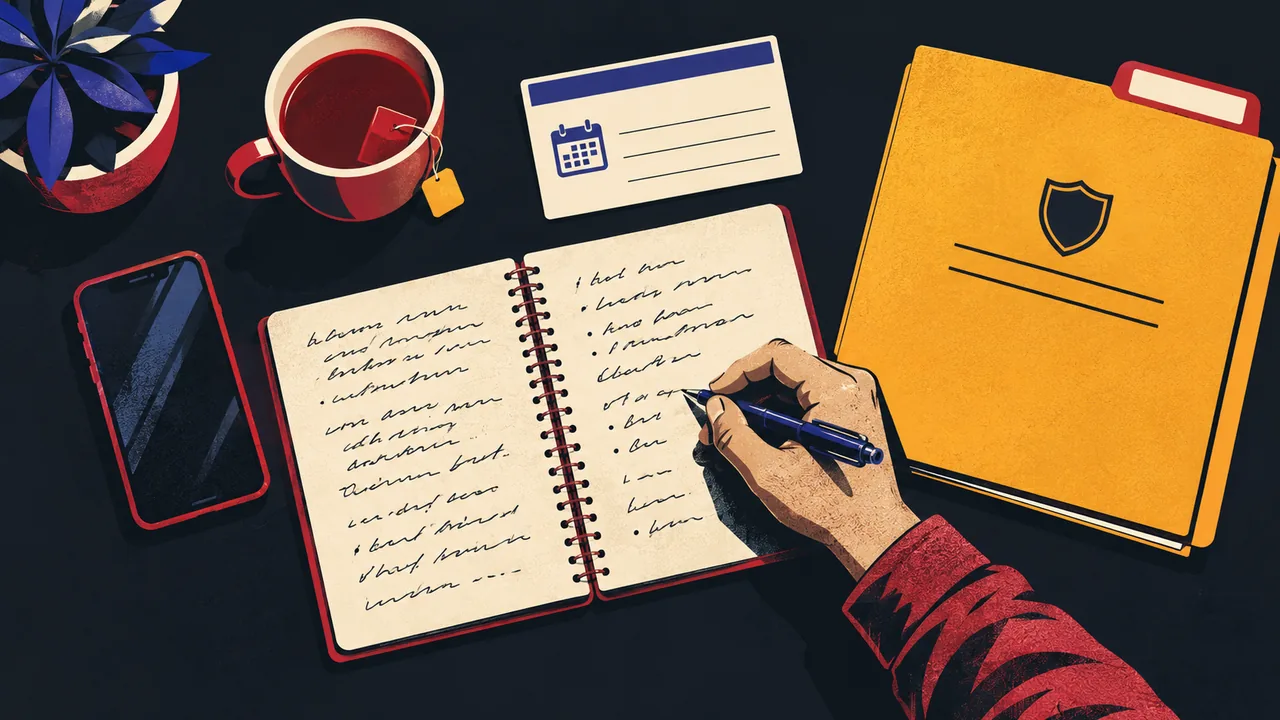
- Keep up with your medical care. Go to every appointment and follow the treatment plan. Gaps in treatment are the first thing adjusters use to knock down a claim.
- Request the police report, or at least write down the report number and which agency responded.
- Hold on to your own evidence: keep damaged property, save dash cam footage, write down what you remember about the crash while it's fresh and start a symptoms journal.
- Tell your own insurer about the accident, but stick to the basic facts.
- Don't give a recorded statement to the trucking company's insurance adjuster, and don't sign medical releases or settlement papers. You aren't required to, and early statements get used against injured people all the time.
If you drive for a living and you're off the road, start keeping your pay records together now: settlement sheets, per-mile pay history and the loads you're missing. That's how lost income gets proven later.
Why speed matters more than in a car accident

The most important evidence in a truck case belongs to the trucking company: black box data, driver logs, inspection records and dispatch messages, all covered on our FMCSA regulations & evidence page. Some of it can be legally destroyed within months. Some of it gets overwritten within weeks.
A big rig truck accident lawyer sends a preservation letter right away. In serious cases, they also get an accident reconstruction expert to the vehicle before it's repaired.
Watch for these insurer tactics
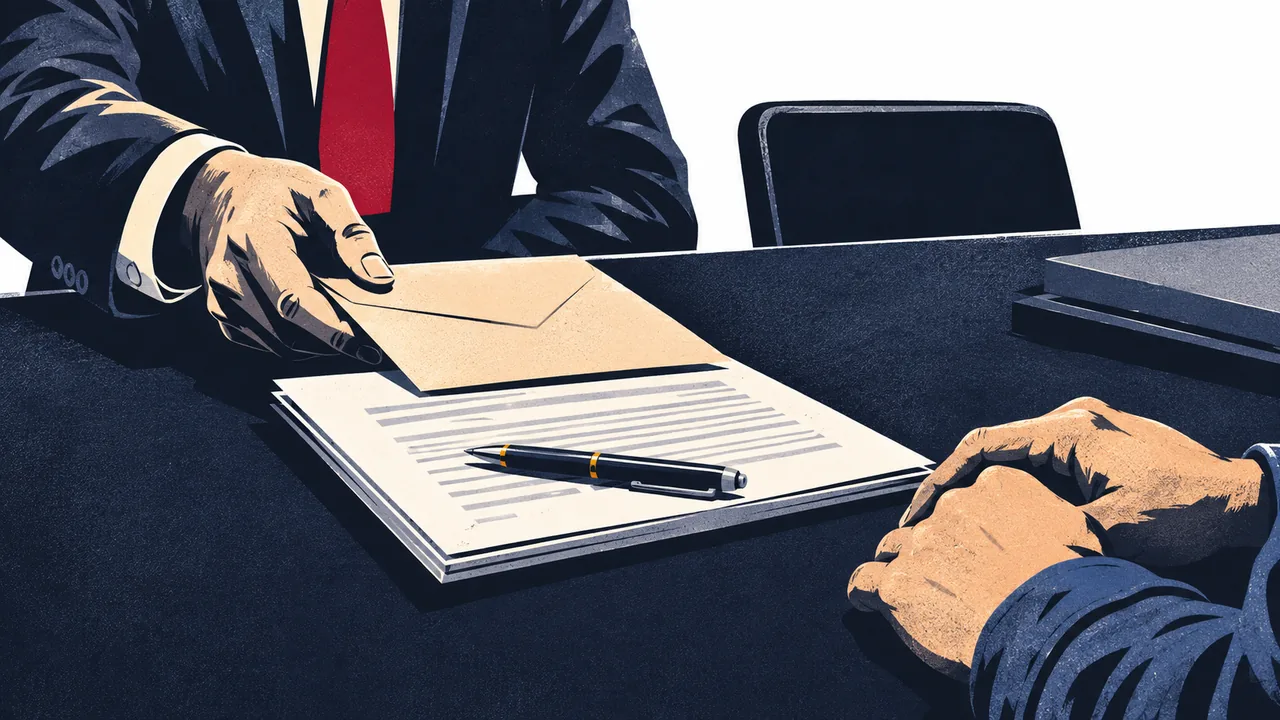
- The quick, friendly settlement call: an early offer made before your injuries are fully diagnosed
- The recorded statement request: pitched as routine, used to lock in words that hurt you
- The blanket medical release: opens your whole medical history so they can hunt for "pre-existing conditions"
- Delay: waiting while the bills pile up so you'll take a low number
Deadlines apply

Every state sets a statute of limitations for injury claims, commonly one to four years, with much shorter notice periods if a government entity is involved. Even when waiting doesn't cost you the claim, it costs you leverage. Learn who can be held liable and what compensation may cover, or find out where you stand in 60 seconds with a free case review.