Liability for a big rig accident usually reaches past the driver. The motor carrier, trailer owner, cargo loader, maintenance contractor, parts manufacturer and freight broker can each be responsible, and each one carries its own insurance. Federal law requires interstate carriers to hold at least $750,000 in liability coverage, so finding every defendant makes a real difference in what a claim can recover.
After a car wreck, there's usually one question: whose insurance pays? After an 18-wheeler crash, the list of who can be held liable gets long fast. That's the biggest difference between the two kinds of claims.
An experienced big rig truck accident lawyer traces every company in the chain, from the carrier whose DOT number is on the door to the shipper who loaded the trailer. Each one brings its own policy. Federal law requires motor carriers to carry substantial liability coverage, with minimums set under 49 CFR Part 387, commonly $750,000 and often $1 million or more for interstate freight. That applies whether you were in a car hit by a rig or you're a driver hurt because someone else in the chain cut corners.
The seven most common defendants
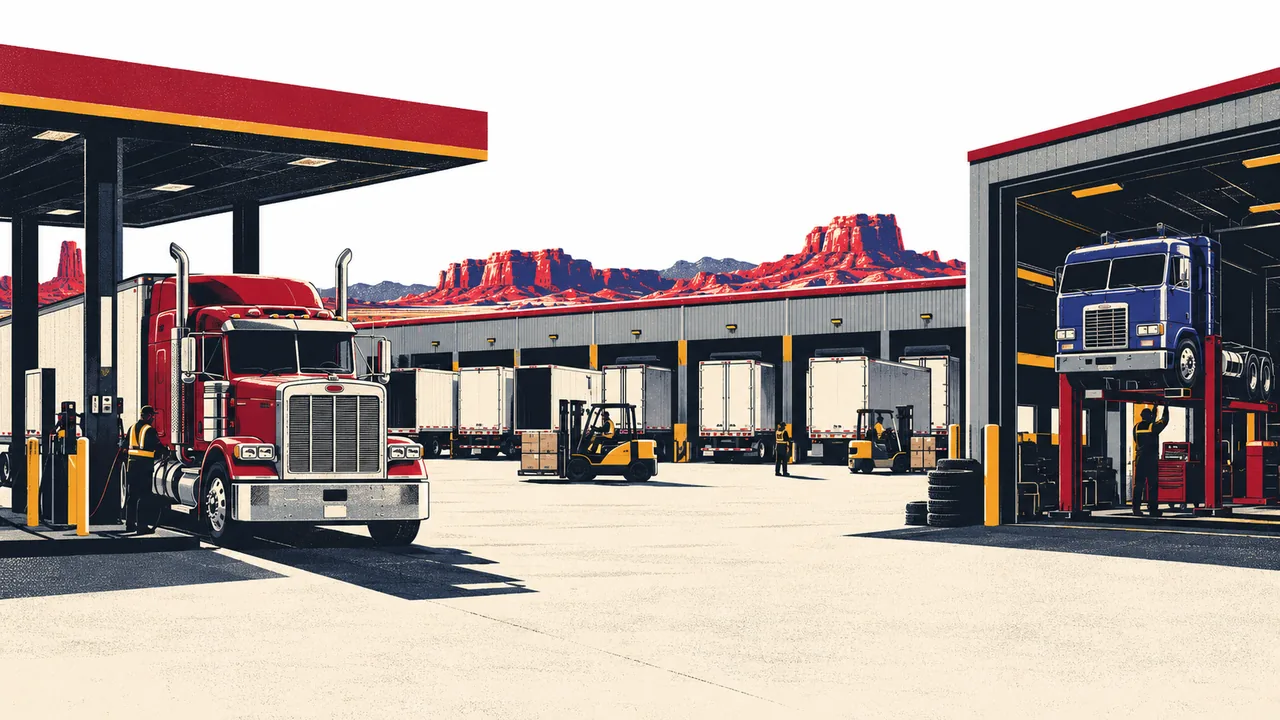
1. The truck driver
Speeding, distraction, impairment, HOS violations or a bad lane change. Liability starts with the driver but rarely ends there. Most drivers only carry the coverage their employer provides.
2. The trucking company (motor carrier)
Under the doctrine of respondeat superior, carriers are generally liable for their drivers' negligence on the job. Carriers can also face direct liability for negligent hiring (putting unqualified or dangerous drivers on the road), negligent training and supervision, pushing drivers into hours-of-service violations, and negligent fleet maintenance.
Calling a driver an "independent contractor" rarely gets a carrier off the hook. Federal regulations hold the carrier whose DOT number is on the truck responsible.
3. The cargo shipper or loader
Unbalanced, overweight or unsecured cargo causes rollovers, spilled loads and jackknifing. Anyone who's pulled a sealed trailer knows you can't always see how it was loaded. FMCSA cargo securement rules (49 CFR Part 393, Subpart I) set specific standards, and when a third-party loading company breaks them, that creates separate liability.
4. Maintenance contractors
Lots of fleets send inspections and repairs out to a shop. Bad brake work, skipped inspections or sloppy tire service puts that contractor on the hook. See brake failure and tire blowouts.
5. Truck and parts manufacturers
Defective brakes, tires, coupling systems, steering parts or underride guards support product liability claims. Those don't require proving anyone was careless, only that the product was defective and caused the harm.
6. Freight brokers
Brokers who pick carriers with poor public safety records (visible in the FMCSA's Safety Measurement System) are facing more negligent-selection claims. It's an area of law that's still developing, and experienced trial counsel matters here.
7. Government entities
A dangerous road design, missing signs or poor road maintenance can add a government defendant. Those claims come with much shorter notice deadlines, sometimes just months. See filing deadlines by state.
Why multiple defendants change everything

| Scenario | Practical effect |
|---|---|
| Driver-only claim | One policy to draw from; catastrophic injuries can blow past the limit |
| Carrier + loader + maintenance | Stacked policies; a realistic path to full compensation |
| Product defect added | Strict liability theory; no proof of negligence required |
The evidence that identifies every defendant doesn't stick around long: dispatch records, bills of lading and load documents, maintenance files and black box data. Read how that evidence works under FMCSA regulations, what your claim may be worth on our compensation page, or start a free case review.