Commercial brake failure is almost always a maintenance failure, not bad luck. Federal rules require brakes on all wheels kept in adjustment and systematic inspection with records the carrier must produce. Liability usually rests with the motor carrier, which stays responsible for fleet condition even when maintenance is outsourced.
You're loaded heavy, coming down a long grade, and the pedal starts to feel soft. Then you smell it, that hot, sharp brake smell drifting into the cab. Maybe a couple of pushrods were already stroking past the limit at the last inspection and nobody adjusted them. Now the brakes that are left are doing all the work, and they're fading.
From the car ahead, brake failure looks like a truck that should be slowing and isn't. A fully loaded big rig needs the length of one and a half football fields to stop from highway speed, and that's with brakes in perfect working order. Federal crash research, including the FMCSA's Large Truck Crash Causation Study, has repeatedly found brake problems to be one of the most common vehicle-related factors in serious truck crashes.
In a lawsuit, "the brakes failed" is rarely a defense. It's usually an admission, because commercial brakes don't fail unless someone skipped required inspections or maintenance.
Federal inspection and maintenance requirements
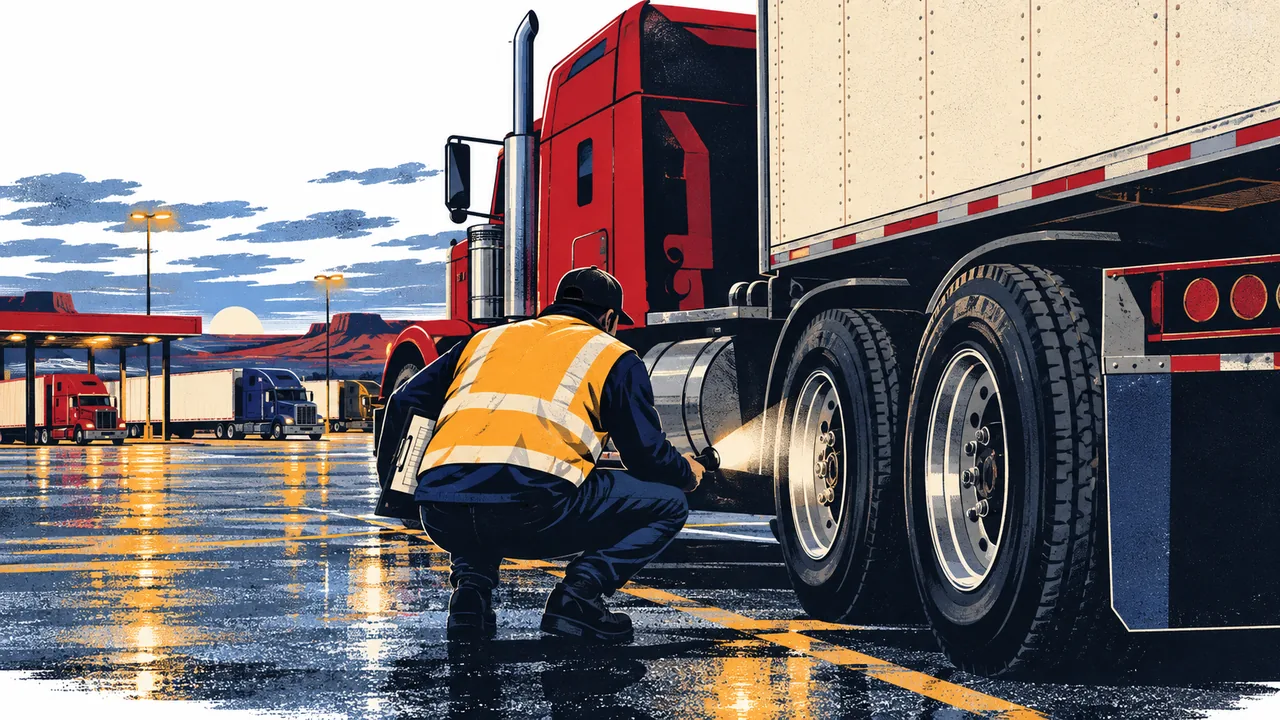
Under FMCSA regulations (49 CFR Parts 393 and 396), carriers and drivers must:
- Perform pre-trip inspections before every haul, including brake checks
- Complete driver vehicle inspection reports (DVIRs) documenting defects
- Repair reported defects before the vehicle runs again
- Keep systematic maintenance records for every vehicle
- Pass annual DOT inspections, with brake standards spelled out in Part 393
Every one of those rules produces paperwork, and the paperwork is where brake cases are won. When a big rig truck accident lawyer subpoenas the maintenance file and finds missed inspections, DVIR defects nobody fixed, or out-of-adjustment brakes, that's powerful evidence of negligence. The carrier's roadside inspection history in the FMCSA's public SMS database, including brake violations and out-of-service orders, often shows it wasn't a one-time problem.
Common brake failure scenarios
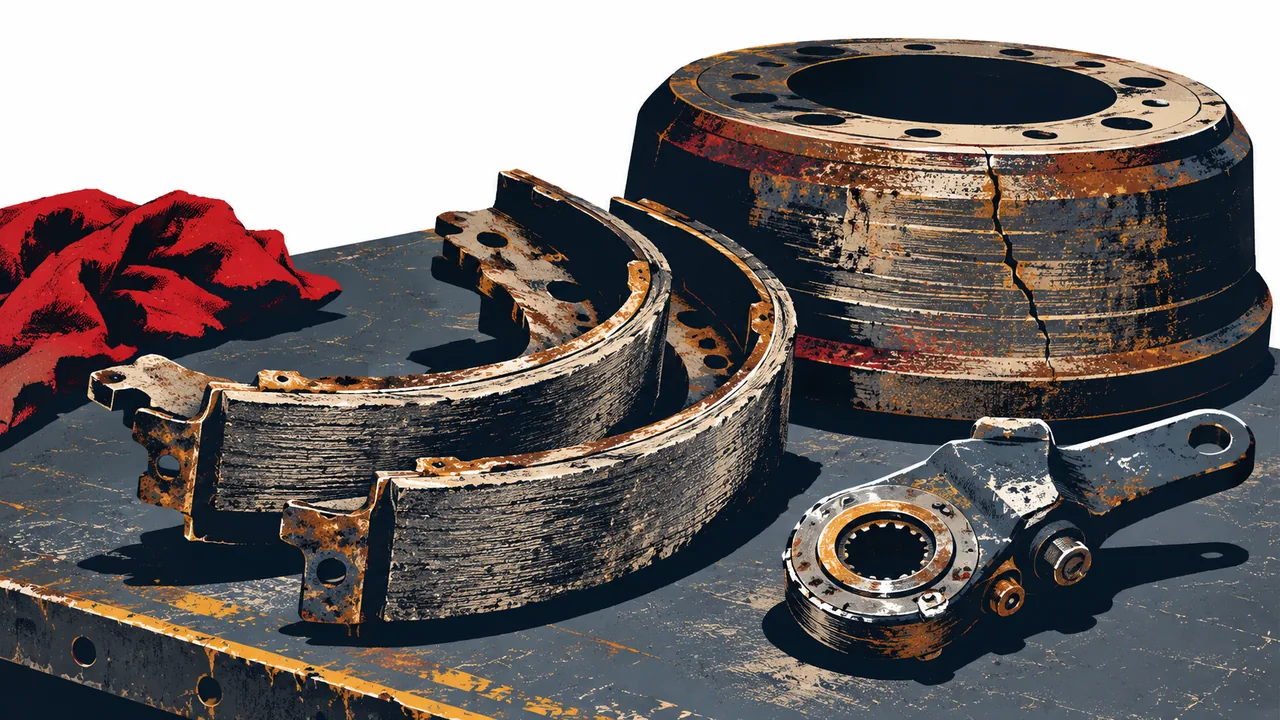
- Out-of-adjustment air brakes: the single most common violation found in roadside inspections
- Overheated brakes on downgrades, often combined with driver error in speed management
- Contaminated or worn linings pushed past service intervals
- Air system leaks that reduce braking force
- Defective components: a possible product liability claim against the manufacturer
Who is liable?
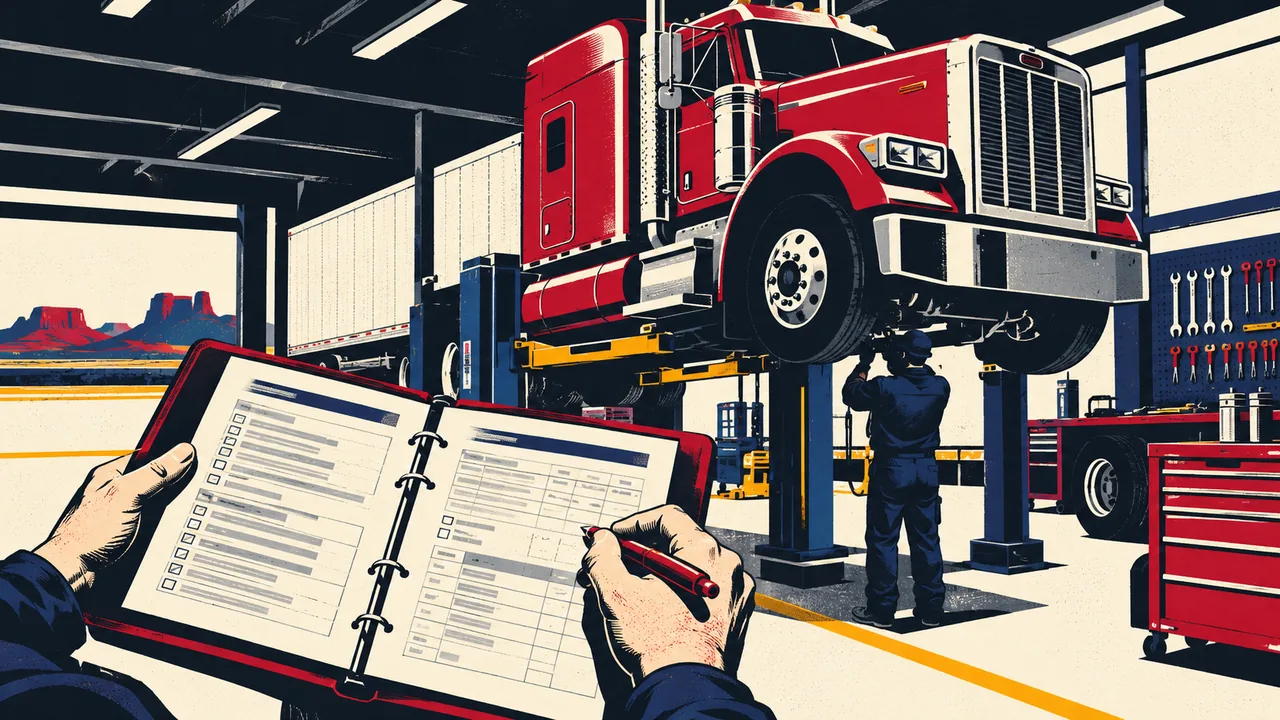
- The motor carrier: ultimately responsible for keeping its fleet roadworthy, even when maintenance is outsourced
- A third-party maintenance shop: negligent repairs or inspections
- The driver: skipped pre-trip inspection or driving with known defects
- A parts manufacturer: defective brake components
- The cargo loader: overloading beyond rated capacity stresses braking systems
If you're the driver and you wrote the brakes up on your DVIR before the crash, keep a copy or a photo of it. That report shows the defect was known, and whether anyone fixed it is part of the carrier's maintenance file.
Brake failure often combines with other causes: a fatigued driver brakes late and the brakes underperform. See driver fatigue and jackknife accidents, which are often where a braking failure ends up.
Act before the evidence is repaired away
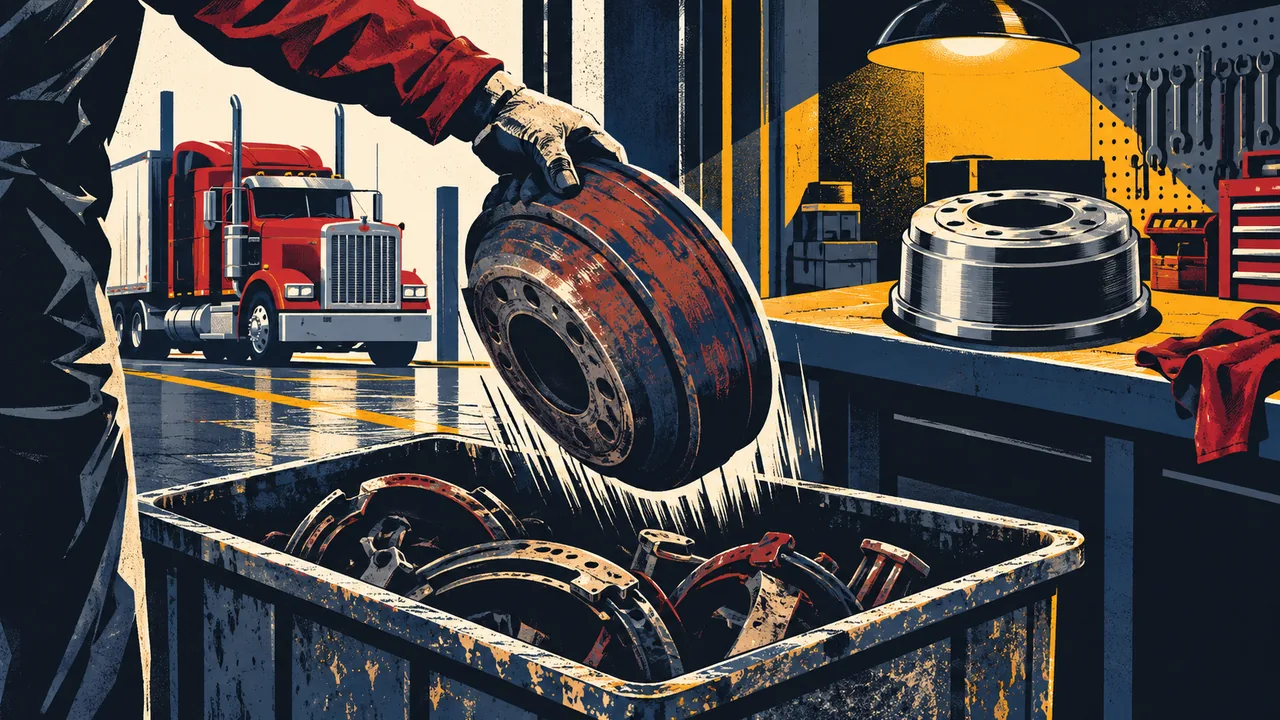
The most important evidence in a brake case is the truck itself, before the carrier repairs it. Once the shoes are swapped and the slack adjusters reset, the measurements are gone. A preservation letter and a prompt expert inspection can make or break the claim.
If brake failure may have caused your crash, start a free case review today, and read about the compensation you may recover.
Sources
- 49 CFR Part 393 Subpart C — Brakes — Electronic Code of Federal Regulations
- 49 CFR Part 396 — Inspection, repair, and maintenance — Electronic Code of Federal Regulations
- Safety Measurement System — carrier safety records by BASIC — FMCSA Safety Measurement System
- Recalls, defect investigations, and safety issues — National Highway Traffic Safety Administration
- Large Truck and Bus Crash Facts — Federal Motor Carrier Safety Administration
- Company Safety Profile / SAFER carrier snapshot — FMCSA SAFER System
Federal regulations and crash statistics are updated periodically. Figures cited on this page reflect the referenced publications at the time of writing; check the source for the current edition.