Start with the paperwork, not the wreck. A tractor-trailer accident lawyer's first job is untangling who owned what: the tractor, the trailer and the freight inside it often belong to three different companies, each with its own insurance and its own duties. Bad trailer brakes, an unsecured load or a worn coupling can put a company on the hook that the police report never names.
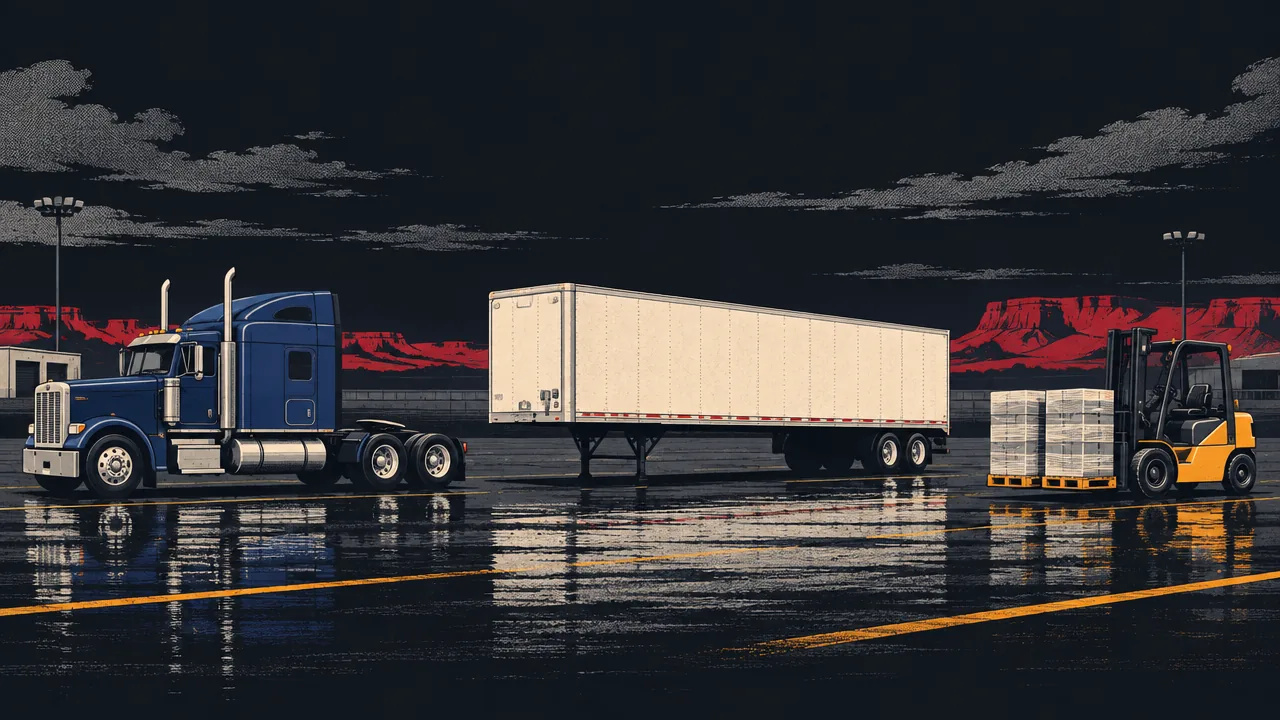
A tractor-trailer isn't one vehicle. It's a power unit hooked to a box that comes off. Modern freight routinely splits ownership of those two pieces across separate businesses, and then adds the freight, the loading and the brokering on top.
Any driver who's pulled a pool trailer out of a shipper's yard knows how little the name on the cab door tells you. That split is what sets these cases apart.
Who might own each piece
| Component | Typical owner | What a failure looks like |
|---|---|---|
| Tractor (power unit) | Motor carrier, or an owner-operator leasing to one | Engine, steering, tractor brakes, driver conduct |
| Trailer | Separate leasing company, shipper, or trailer pool | Trailer brakes, tires, lights, reflective tape, rear impact guard |
| Cargo | Shipper or consignee | Overweight, improperly declared, or hazardous material mislabeled |
| Loading | Shipper, warehouse, or third-party loading facility | Unsecured freight, uneven weight distribution, load shift |
| The freight arrangement | Freight broker or 3PL | Selecting a carrier with a known unsafe record |
Every one of these is a possible defendant with its own policy. Miss one, and you could end up with a claim that burns through a single policy limit instead of one that covers a lifetime of care. See the full liability breakdown.
Cargo loading: the responsibility the driver may not have
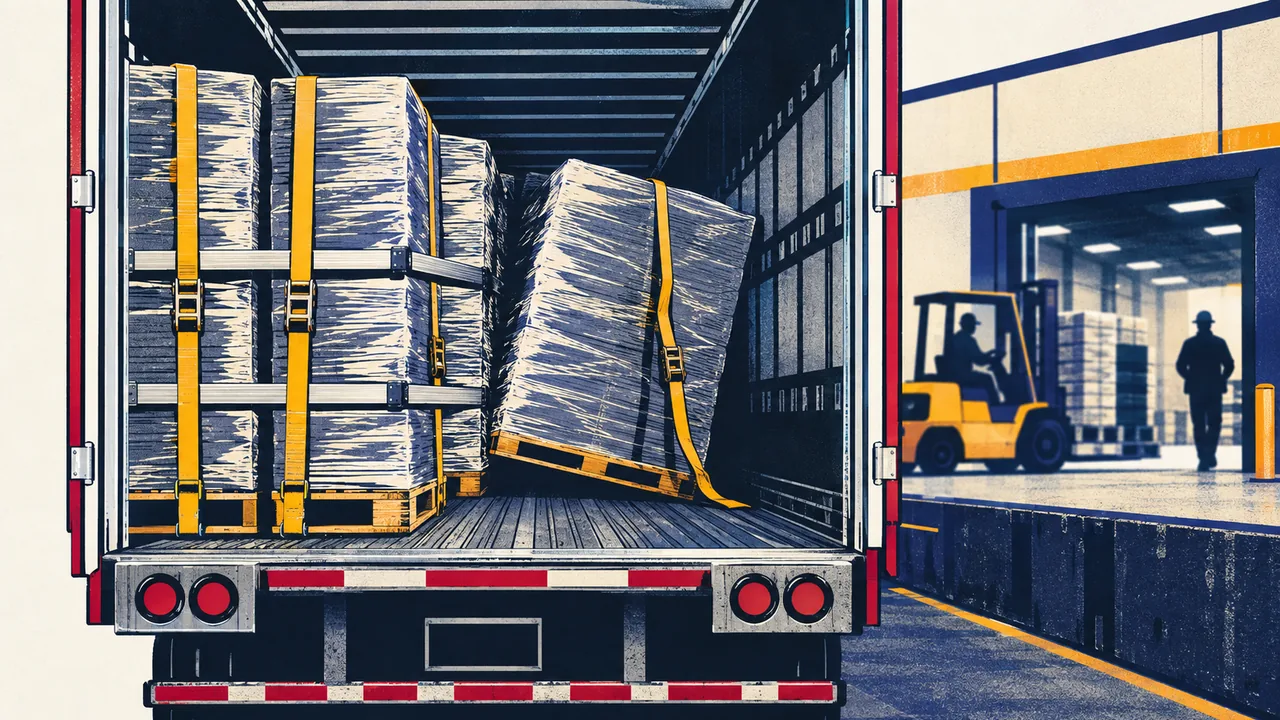
Federal cargo securement rules (49 CFR Part 393, Subpart I) spell out how freight has to be blocked, braced and tied down. Normally it's on the driver to confirm the load is secure.
The exception is a big deal. When a shipper loads and seals a trailer and the driver has no real chance to look inside, courts have long recognized the driver can't be held to an inspection they were never allowed to do. In that situation a cargo shift crash points at the loading facility.
Which situation you're in comes down to the bill of lading, the seal records and the yard camera footage. Those are exactly the records that get tossed on ordinary retention cycles.
Drop-and-hook and interchange
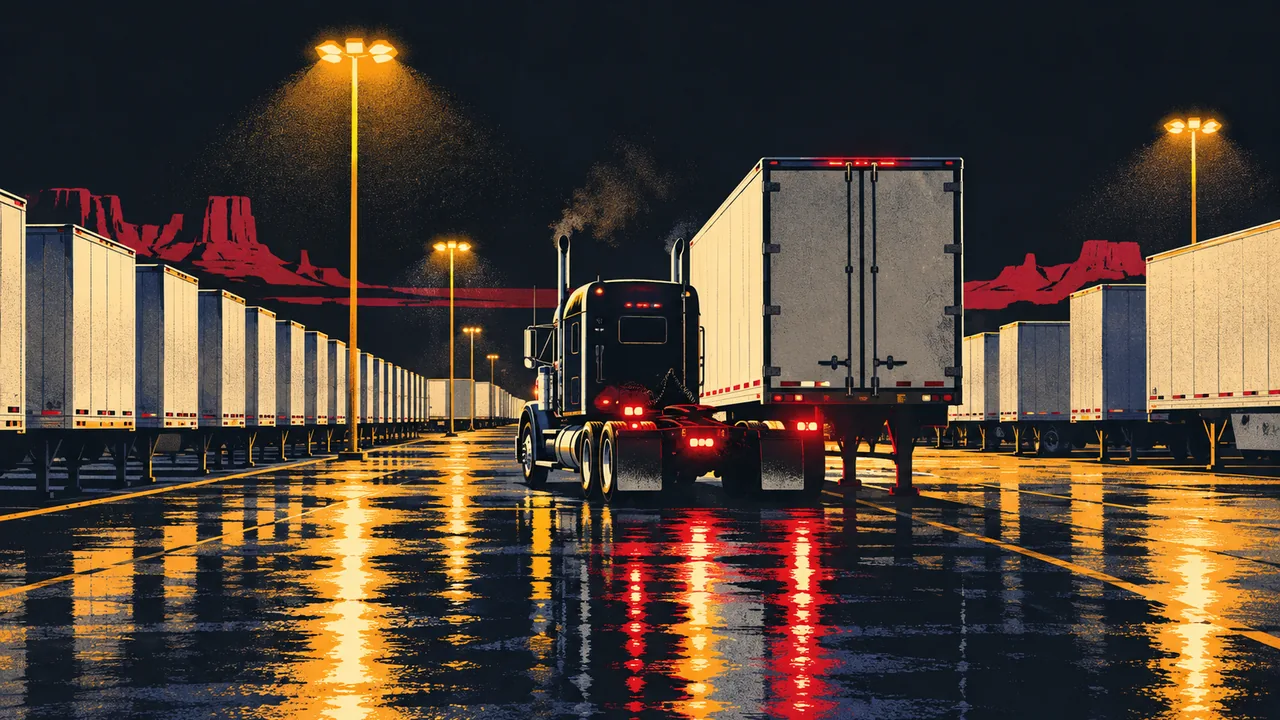
On a drop-and-hook, a driver leaves one trailer and grabs another that someone loaded hours earlier, at a dock they may never set foot on. Interchange agreements say who's responsible for the trailer's condition on each leg. 49 CFR Part 376 sets the federal rules for how leases and interchanges have to be documented.
Those documents decide liability, and they're contracts. That means they exist, they can be demanded in discovery, and they often contradict whatever the carrier's adjuster told you on the first phone call.
Trailer-specific failures
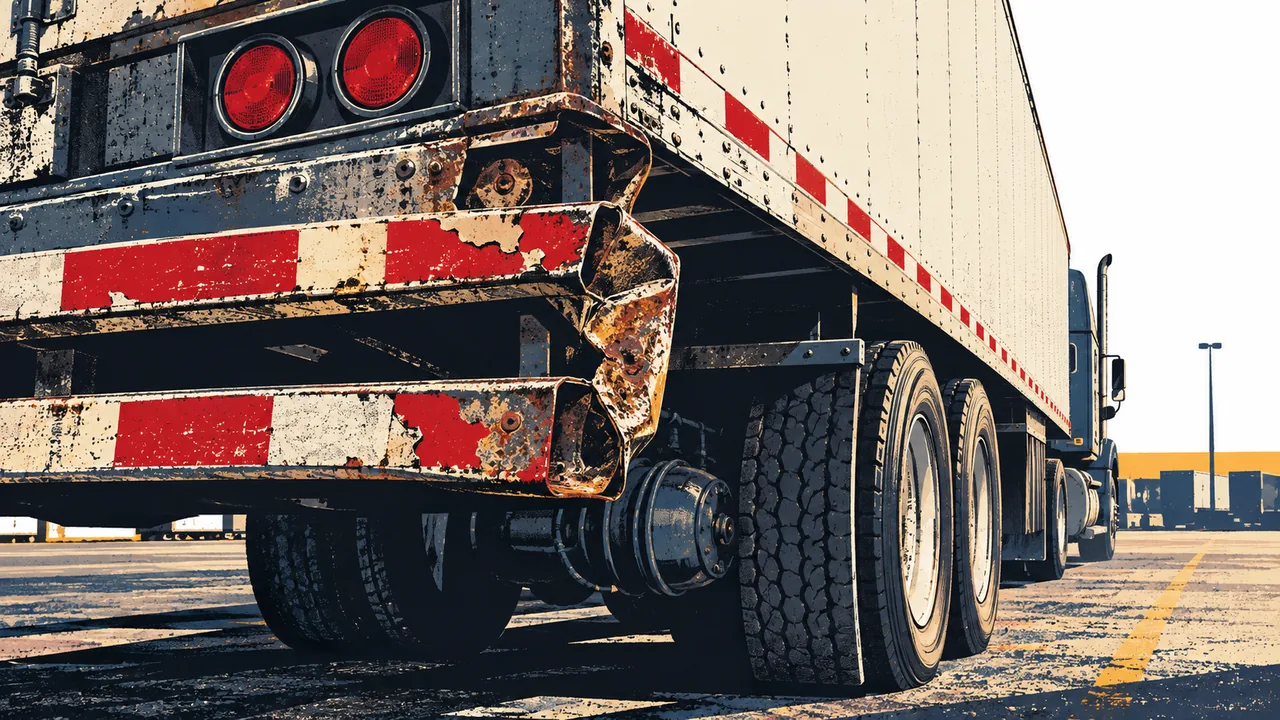
- Rear impact guard: corroded, damaged or non-compliant guards are at the center of underride crashes, and the trailer owner is the one who had to maintain it
- Conspicuity tape and lighting: missing or worn reflective tape makes a trailer close to invisible at night, and it keeps showing up in side underride crashes
- Trailer brakes and tires: the trailer carries most of the braking load, and out-of-adjustment trailer brakes are among the most common out-of-service violations found at roadside inspection
- Coupling system: the fifth wheel, kingpin and locking jaws. When these fail, you get a runaway trailer
Find every defendant before the deadline
Naming every responsible company takes discovery: leases, interchange agreements, bills of lading, maintenance files and the trailer's own inspection history. That work needs to start well before your state's filing deadline. A free case review is the first step.
Related guides
- Semi-truck accident lawyer — the truck's recorded data
- 18-wheeler accident lawyer — federal carrier regulation
- Cargo shift & overloading
- Underride accidents
Sources
- 49 CFR Part 393 Subpart I — Protection against shifting and falling cargo — Electronic Code of Federal Regulations
- Cargo Securement Rules — Federal Motor Carrier Safety Administration
- 49 CFR Part 376 — Lease and interchange of vehicles — Electronic Code of Federal Regulations
- 49 CFR § 396.11 — Driver vehicle inspection reports — Electronic Code of Federal Regulations
Federal regulations and crash statistics are updated periodically. Figures cited on this page reflect the referenced publications at the time of writing; check the source for the current edition.