If an 18-wheeler hit you, the company behind that rig plays by federal rules, not just your state's traffic code. An 18-wheeler accident lawyer uses those FMCSA rules against the carrier: it has to hold federal operating authority, carry at least $750,000 in liability coverage, and keep records that turn into evidence in your claim.
"18-wheeler" is just an axle count: ten wheels on the tractor, eight on the trailer. The number that matters in court is a different one. A rig hauling freight from Dallas to Memphis is in interstate commerce, and that one fact drags a whole body of federal law into your case.
That's true if you were in the car it ran over, and it's true if you were the driver of another truck it hit at a truck stop on-ramp.
Interstate vs. intrastate: the distinction that shapes your claim

Big trucks aren't all regulated the same way. Figure out early which side of this line the carrier sits on, because it decides what rules the company had to follow and what paperwork it had to keep.
| Interstate carrier | Intrastate carrier | |
|---|---|---|
| Operates | Across state lines, or hauling freight in interstate commerce | Entirely within one state |
| Primary rules | Federal Motor Carrier Safety Regulations (49 CFR 350–399) | State rules, most of which adopt the federal ones in whole or part |
| Minimum liability insurance | $750,000 general freight; higher for hazardous materials | Set by the state — sometimes far lower |
| Operating authority | USDOT number and, for for-hire carriers, MC authority | State registration; may still require a USDOT number |
Some carriers claim they're intrastate so the federal standards don't apply. The bill of lading, the dispatch records and where the load actually came from usually settle it. Freight that started or will finish its trip in another state is generally interstate commerce, even if the leg your crash happened on never crossed a state line.
The carrier's federal record is public — and often decisive
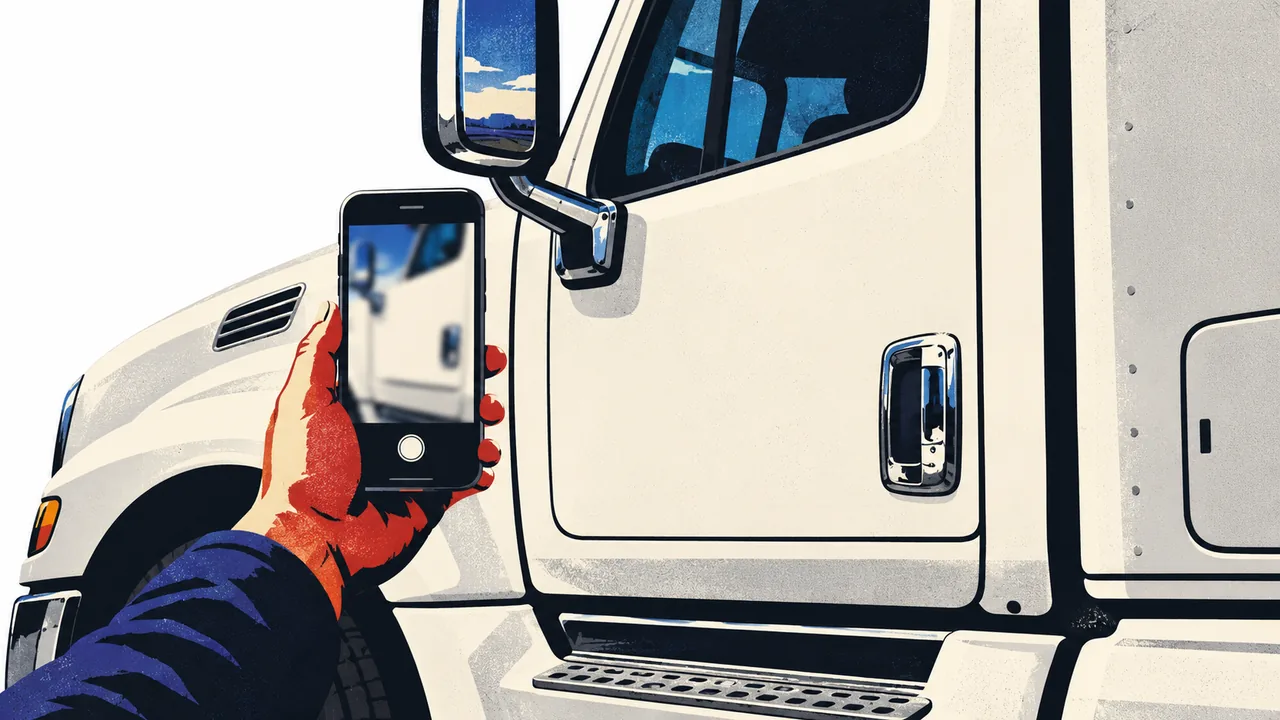
Every interstate carrier has a USDOT number painted on the cab. Punch that number into the FMCSA's SAFER Company Snapshot and you get a public safety file most people never look at. It shows:
- Crash history over the past 24 months, including fatal and injury crashes
- Roadside inspection results and out-of-service rates compared to the national average
- Violations grouped by category — unsafe driving, hours-of-service compliance, vehicle maintenance, driver fitness
- Current insurance filings and whether authority is active or revoked
Here's why that file counts. Say a carrier racks up maintenance write-ups at weigh stations and DOT inspections, then one of its trucks causes a brake failure crash. That isn't a plain negligence claim anymore. It's a negligent maintenance and supervision claim backed by the company's own federal record, and in some states it supports an argument for punitive damages.
If you got a photo of the USDOT number on the cab door, hang on to it. Few things you could have captured at the scene are worth more. Without it, sorting out the right company from the leasing outfits, owner-operators and freight brokers gets a lot harder.
Why the driver is rarely the only defendant
Under respondeat superior, an employer answers for negligence its employee commits on the job. Carriers try to get around that by calling their drivers independent contractors. But FMCSA leasing rules (49 CFR Part 376) generally hold a carrier running under its own authority responsible for the truck and the driver, no matter what the lease-on paperwork says.
The carrier can also be on the hook for its own mistakes: negligent hiring, negligent retention, poor training, or a dispatcher pushing drivers into hours-of-service violations. Each of those theories can reach a different insurance layer. Here's the full breakdown of who can be held liable.
Insurance layers in an 18-wheeler case

The $750,000 federal minimum is a floor, not a ceiling, and it's rarely the whole story. Big carriers commonly stack primary coverage with excess and umbrella policies that run well into the millions.
When the tractor and the trailer have different owners, separate policies may cover each one. A freight broker or shipper may carry contingent coverage of its own, too.
That's the practical reason truck cases get fought differently than car wrecks. There's usually enough coverage to make full compensation possible, and enough money at stake that the carrier's insurer has an investigator at the scene within hours. See what your claim may cover.
What to do now
The carrier's rapid response team started on its defense the day of the crash. ELD records face a six-month retention floor, and black box data can get overwritten in normal operation long before that.
A free case review costs nothing and gets a preservation letter moving. Also read what to do after a truck accident and check your state's filing deadline.
Related guides
- Semi-truck accident lawyer — the evidence side of the same crash type
- Tractor-trailer accident lawyer — when the tractor and trailer have different owners
- FMCSA regulations & evidence
- What happens in a truck accident lawsuit
Sources
- SAFER Company Snapshot — carrier safety records — Federal Motor Carrier Safety Administration
- 49 CFR § 387.9 — Minimum levels of financial responsibility — Electronic Code of Federal Regulations
- 49 CFR Part 390 — Federal Motor Carrier Safety Regulations, general — Electronic Code of Federal Regulations
- Large Truck and Bus Crash Facts — Federal Motor Carrier Safety Administration
Federal regulations and crash statistics are updated periodically. Figures cited on this page reflect the referenced publications at the time of writing; check the source for the current edition.