Nobody plans for the day they have to learn how to get from a bed to a wheelchair. A spinal cord injury after a truck accident can force that on a family overnight. Rollovers, underride crashes and high-speed truck collisions put crushing force on the spinal cord, the bundle of nerves that carries signals between the brain and the rest of the body.
A broken bone can usually be set. The spinal cord often can't be fully repaired, and the paralysis that follows is frequently permanent.
Types of spinal cord injury
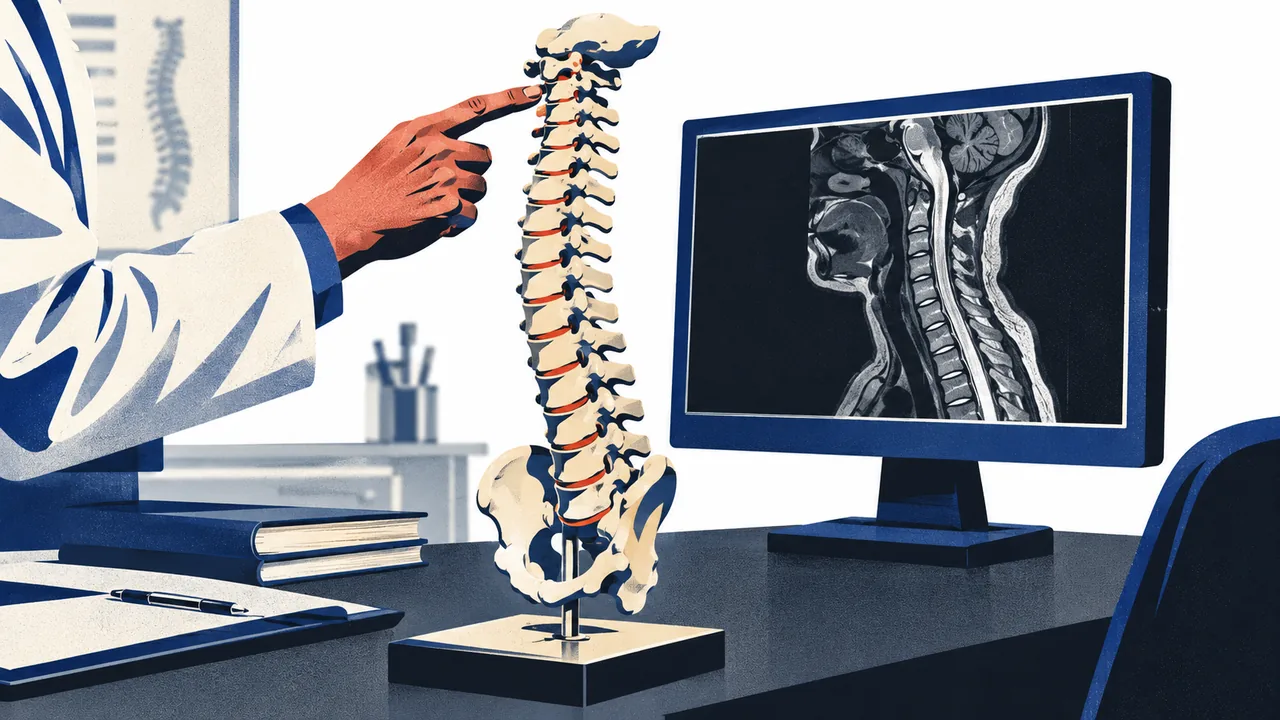
- Complete injury: total loss of feeling and movement below the injury site.
- Incomplete injury: some function remains. How much varies widely depending on which nerve pathways survived.
- Tetraplegia (quadriplegia): an injury high in the spine (cervical) that affects the arms, legs and torso.
- Paraplegia: an injury lower in the spine (thoracic, lumbar or sacral) that affects the legs and lower body.
Lifelong care needs

Over a lifetime, spinal cord injuries are among the most expensive injuries to treat. A complete claim counts:
- Emergency surgery, spinal stabilization and the first hospital stay
- Long-term rehab and physical therapy
- Wheelchairs, mobility equipment and home changes like ramps, wider doorways and accessible bathrooms
- Personal care attendants or in-home nursing
- Vehicle modifications and transportation costs
- Lost earning capacity, especially in physically demanding jobs
- A higher risk of complications like pressure sores, infections and breathing problems that need ongoing monitoring
For drivers: when the seat is gone for good
Trucking is about as physical as a job gets, even with the driving part. Climbing in and out of the cab, pulling the fifth-wheel release, throwing chains and tarping a flatbed load are out of the question for most people with a serious spinal injury. For a lot of drivers, that means the end of the CDL career they built.
Lost earning capacity is the piece of the claim that measures that. Your pay history is the evidence: per-mile or percentage settlement sheets, 1099s if you're an owner-operator on lease, W-2s and dispatch records showing the miles you were running. The more of that you can pull together, the harder it is for an insurer to lowball what you'd have earned.
Spinal cord injury claims usually need a certified life-care planner to project decades of medical needs. A fast, early settlement offer never accounts for that testimony. Learn what compensation may cover and who can be held liable, or start a free case review.