Commercial drivers face a 0.04 BAC limit, half the ordinary 0.08, and may not drink within four hours of going on duty. Post-accident testing is mandatory after a fatality or a citation with injury or tow-away. Liability often reaches past the driver to a carrier that failed its Clearinghouse and testing obligations.
"Was the driver tested?" That's usually the first thing a family asks after an impaired truck driver crash, and it's the right question. The answer depends on the clock. Under federal rules, post-accident alcohol testing has to happen within 8 hours and controlled-substance testing within 32 hours. Alcohol leaves the body, so a test done late tells you less, and a carrier that didn't test in time has created evidence of its own failure.
The standard those tests are measured against is strict. Under FMCSA rules (49 CFR Part 382), a commercial driver is legally impaired at a blood alcohol concentration of just 0.04%, half the 0.08% limit for non-commercial drivers in most states. Any measurable alcohol use within specific pre-duty windows can also take a driver off the road for that day.
Federal drug and alcohol testing requirements
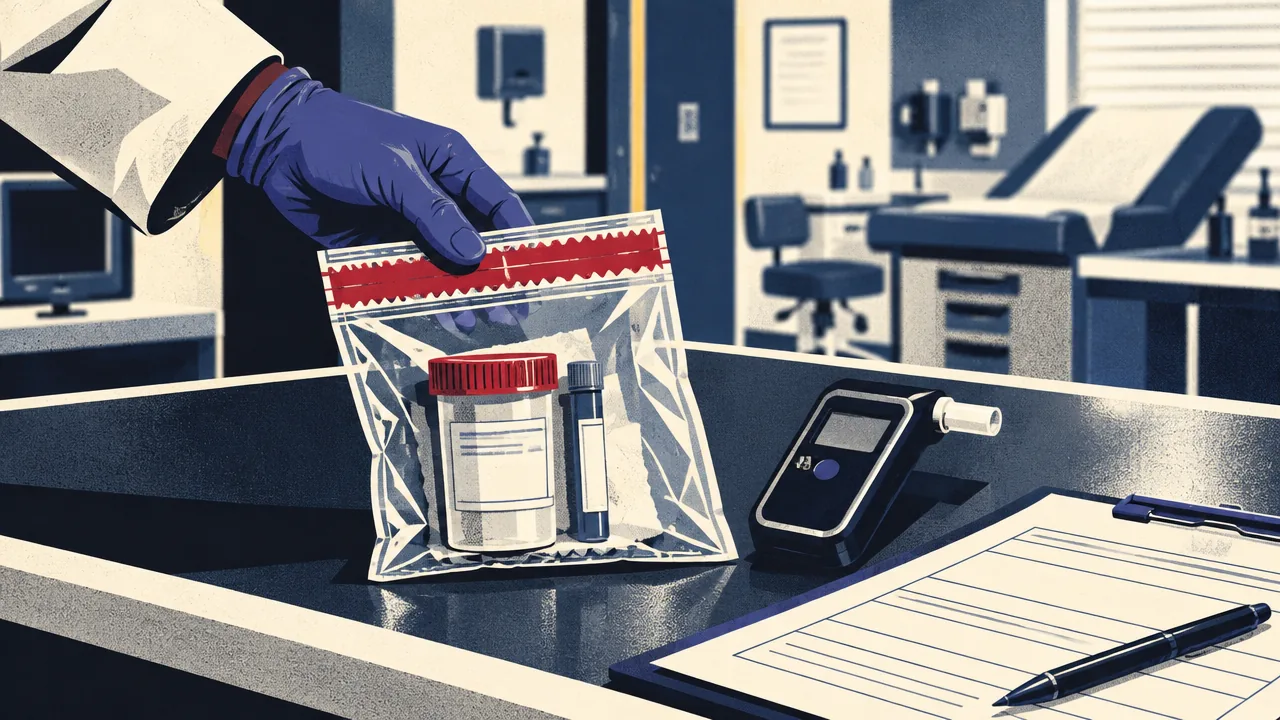
If you hold a CDL, you've been through most of these. Every one of them leaves a record, and those records are what an impairment case is built on:
- Pre-employment testing before a driver can be hired
- Random testing throughout the year at rates set annually by FMCSA
- Reasonable-suspicion testing when a supervisor observes signs of impairment
- Post-accident testing required after crashes involving a fatality, citation, or certain injury/tow-away thresholds
- FMCSA Drug and Alcohol Clearinghouse checks: a database carriers must query before hiring or annually to catch prior violations
It isn't only beer and street drugs. Prescription and over-the-counter medications that cause drowsiness are regulated too. A driver running under a medication that dulls alertness can support a negligence claim on its own, apart from any illegal substance.
Evidence in impairment cases
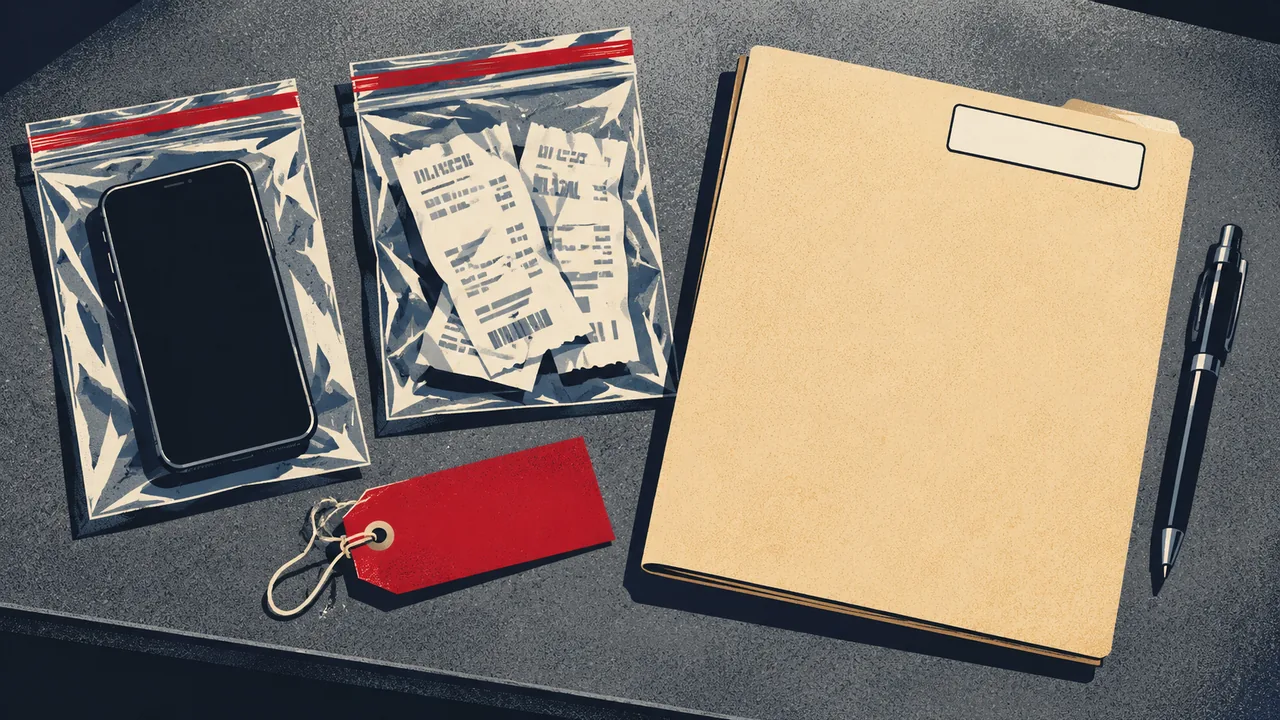
The test result matters, but it's rarely the whole case. What people saw at the scene, and what the carrier knew before the truck ever left the yard, often matter as much:
- Post-accident toxicology and breath/blood test results
- FMCSA Clearinghouse records showing prior violations the carrier should have caught
- Witness statements describing erratic driving, slurred speech, or the smell of alcohol
- The driver's qualification file and pre-employment screening records
- Dispatch and hours-of-service logs, since impairment often stacks on top of fatigue
If you were in the car, tell the responding officer and anyone who treats you exactly what you noticed: weaving, the smell, how the driver talked. If you're a trucker hit by another rig, the same goes for you. Those details end up in reports that are hard to dispute later.
Who is liable?
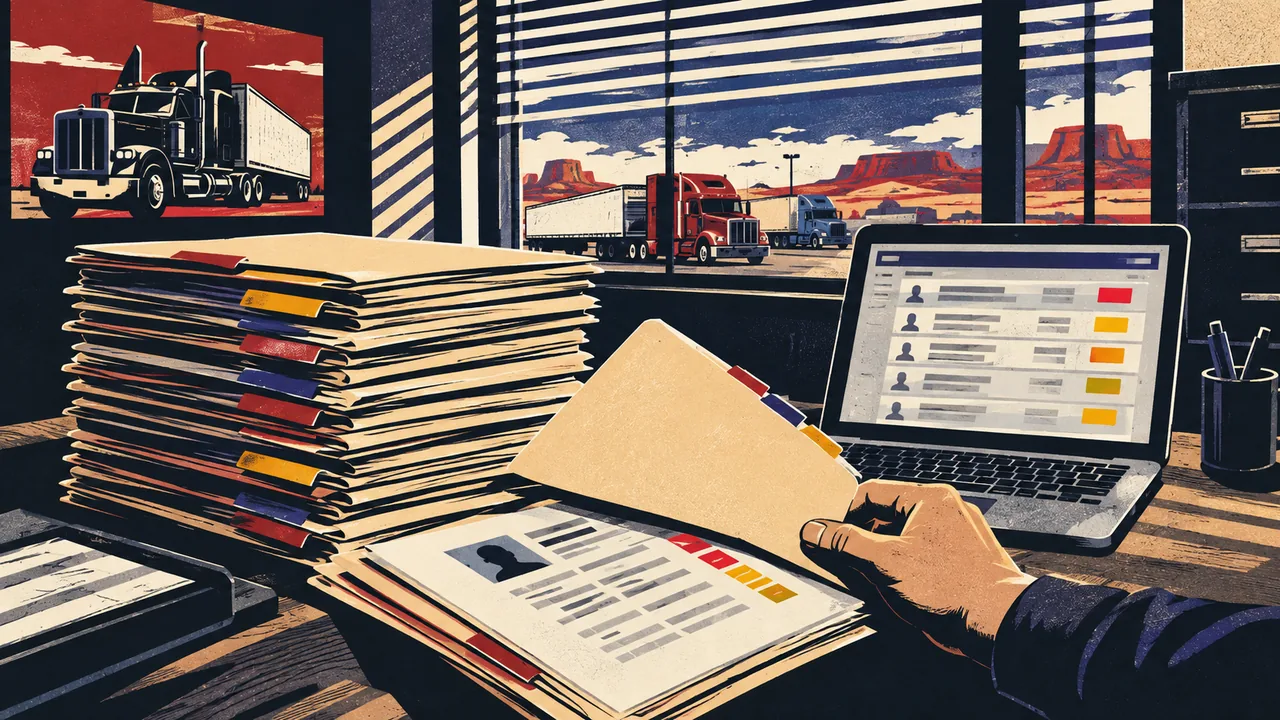
The driver bears direct responsibility, and a DUI conviction or toxicology-confirmed impairment is powerful evidence in a civil claim, often supporting punitive damages. But the trucking company can also be liable if it:
- Skipped required pre-employment or random testing
- Ignored a positive Clearinghouse record when hiring
- Failed to remove a driver after a reasonable-suspicion observation
- Knowingly scheduled a driver with a known substance abuse history without required follow-up testing
These are among the strongest cases for punitive damages. See what compensation may include and who else can be held liable on our liability page. If an impaired commercial driver hurt you or someone in your family, get a free case review from a big rig truck accident lawyer today.
Related causes
Sources
- 49 CFR § 392.5 — Alcohol prohibition — Electronic Code of Federal Regulations
- 49 CFR Part 382 — Controlled substances and alcohol use and testing — Electronic Code of Federal Regulations
- FMCSA Drug & Alcohol Clearinghouse — Federal Motor Carrier Safety Administration
- 49 CFR Part 391 — Qualifications of drivers — Electronic Code of Federal Regulations
- Large Truck and Bus Crash Facts — Federal Motor Carrier Safety Administration
- Safety Measurement System — carrier safety records by BASIC — FMCSA Safety Measurement System
Federal regulations and crash statistics are updated periodically. Figures cited on this page reflect the referenced publications at the time of writing; check the source for the current edition.